Why Vellies South Africa Remain a Staple in Footwear History
If you have spent any time around South African footwear, you have likely come across a pair of vellies. These simple, durable shoes have been walked in for generations, from the dry Karoo to the rainy streets of Cape Town. What makes them special is not just their rugged good looks, but the story they carry. Vellies South Africa has become a term that represents more than a shoe; it stands for a way of making things that values patience, skill, and local materials.
I first bought a pair of leather vellies during a trip to the Eastern Cape. I was skeptical at first. They looked basic, almost too plain for city life. But after a week of wearing them on gravel paths and dusty roads, I understood. The sole stitching held firm, the handcrafted leather moulded to my feet, and I stopped noticing I was wearing them. That is the quiet magic of vellies. They do not shout. They just work.
A Brief Background on Veldskoen and Vellies
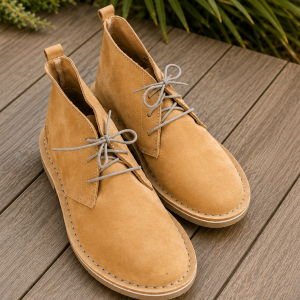
Many people use the words veldskoen and vellies interchangeably, and for good reason. Veldskoen, which translates to field shoes in Afrikaans, are the ancestors of the modern vellie. Originally made from soft leather with a simple sole, they were designed for walking long distances in rough terrain. Over time, the design evolved. Today, a vellie collection might include everything from classic suede vellies to more polished leather options. But the core idea remains: a shoe built to last, often made by hand.
Cape Town cobblers have been refining this craft for decades. Some of the best vellies still come from small workshops where a single pair can take a full day to finish. The process involves cutting, stitching, and shaping by hand. It is not fast, but it is honest. That kind of attention is hard to find in mass-produced footwear.

What Makes South African Vellies Different
There is a reason vellies South Africa has become a recognised phrase among shoe lovers. The materials and techniques used here set them apart. African leather, for instance, is known for its thickness and character. It comes from cattle raised on open ranges, and the tanning process often uses local plants. Rooibos tanning is one such method that gives the leather a unique colour and a subtle natural scent. It is a small detail, but it matters to people who care about what they put on their feet.
Another distinction is the sole. Traditional vellies use a thin, flexible sole that lets your foot feel the ground. Some modern versions add a rubber layer for city use, but the best pairs still rely on skilled sole stitching to keep everything together. This construction makes vellies lighter than most boots and easier to pack. I have worn mine on short hikes, to casual dinners, and even to the office. They work in all those settings because they do not look out of place.
How to Choose the Right Pair
If you are new to vellies, the choices can be a bit overwhelming. Here are a few things I have learned from owning several pairs:
- Leather type: Suede vellies look great and age beautifully, but they need more care. Smooth leather vellies are easier to clean and resist water better.
- Fit: Vellies should feel snug but not tight. The leather will stretch a little as you wear them, so do not size up too much.
- Sole thickness: Thinner soles give you more ground feel, while thicker rubber soles add cushioning for all-day wear.
- Brand reputation: Look for makers who use handcrafted leather and visible sole stitching. That is a sign of quality.
- Care routine: A simple boot care kit with beeswax polish and a brush will keep your vellies looking good for years.
I once bought a cheap pair online that looked fine in photos but fell apart after three months. The leather was thin and the sole stitching was purely decorative. That experience taught me to pay for quality up front. Good vellies cost more, but they last longer and feel better on your feet.
Caring for Your Vellies
Proper care extends the life of any leather shoe, and vellies are no exception. Beeswax polish is your best friend. It conditions the leather and adds a layer of protection against water and dirt. I apply it every few weeks, especially after wearing my vellies in wet weather. For suede vellies, a soft brush is enough to remove dust and restore the nap. Avoid getting them too wet, as suede can stain easily.
If you own a pair of men's leather boots or women's leather handbags from the same maker, you can use the same beeswax polish on them. That is the beauty of good leather goods: they respond well to simple care. A leather messenger bag, for example, will develop a rich patina over time if you treat it with the same attention.
The Broader World of South African Footwear
Vellies are not the only traditional South African footwear worth knowing. Kalahari sandals, for instance, are another handcrafted option that uses local leather and simple construction. They are open and airy, perfect for summer. But if you want something that works year-round, vellies are hard to beat. They bridge the gap between a sandal and a boot, offering protection without stiffness.
I have also seen vellies made by brands like Rivonia and Mokolo, each with its own take on the classic design. Mokolo, for instance, focuses on artisan leather goods that stay true to the original veldskoen shape. Rivonia adds a bit more padding and a modern sole. Both are excellent choices. It really comes down to what feels right on your foot.
Why Vellies Still Matter Today
In a world where fast fashion churns out disposable shoes by the millions, vellies South Africa represents a slower, more thoughtful approach. These shoes are not just footwear; they are objects of South African heritage. Every pair carries the work of people who know leather, who understand how to cut and stitch it so it holds. That knowledge is passed down, and it shows in the finished product.

Wearing vellies also connects you to a broader story. The same kinds of shoes were worn by farmers, miners, and travellers a hundred years ago. The materials have changed a little, but the spirit has not. When you put on a pair of handcrafted leather vellies, you are stepping into a tradition that values endurance over novelty. That feels good, especially when so much around us is designed to be replaced.
If you are looking for footwear that will last, that will age well, and that will not go out of style, a good pair of vellies is a solid investment. They are comfortable, versatile, and made with care. Whether you choose classic leather vellies or something with a bit more modern flair, you are getting a piece of African leather craftsmanship that has stood the test of time.